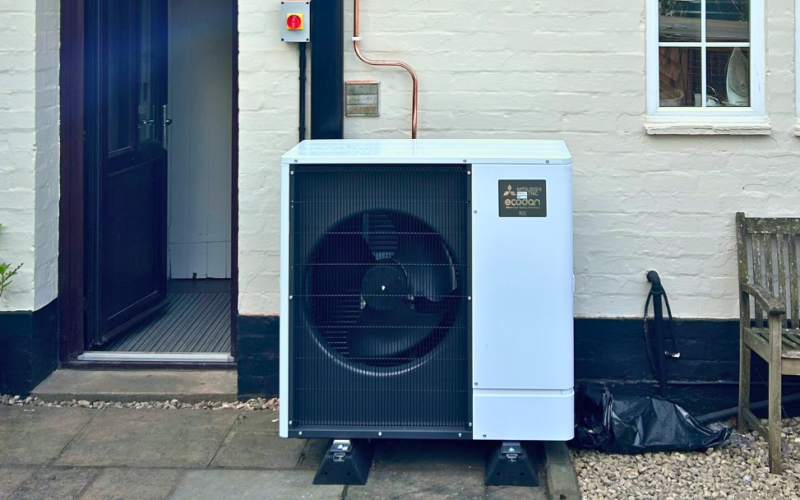
Air Source Heat Pumps are one of the most efficient and sustainable ways to heat your home. By extracting energy from the air, they deliver reliable heating and hot water with a fraction of the carbon emissions of traditional systems. But like any mechanical system, they can sometimes run into issues.
Is your Heat Pump Not Working? Before you reach for the phone to call an engineer about any problems, there are several simple checks you can perform yourself to determine whether there is actually a serious issue with your unit or if its performance is simply being affected. These checks can often resolve common problems and will save you time and money.
Power Supply
Firstly, check that there is a power supply to your system and that it is up and running. Check your home’s main electrical panel for a tripped breaker, and also check that both your indoor and outdoor units are switched on.
System Pressure
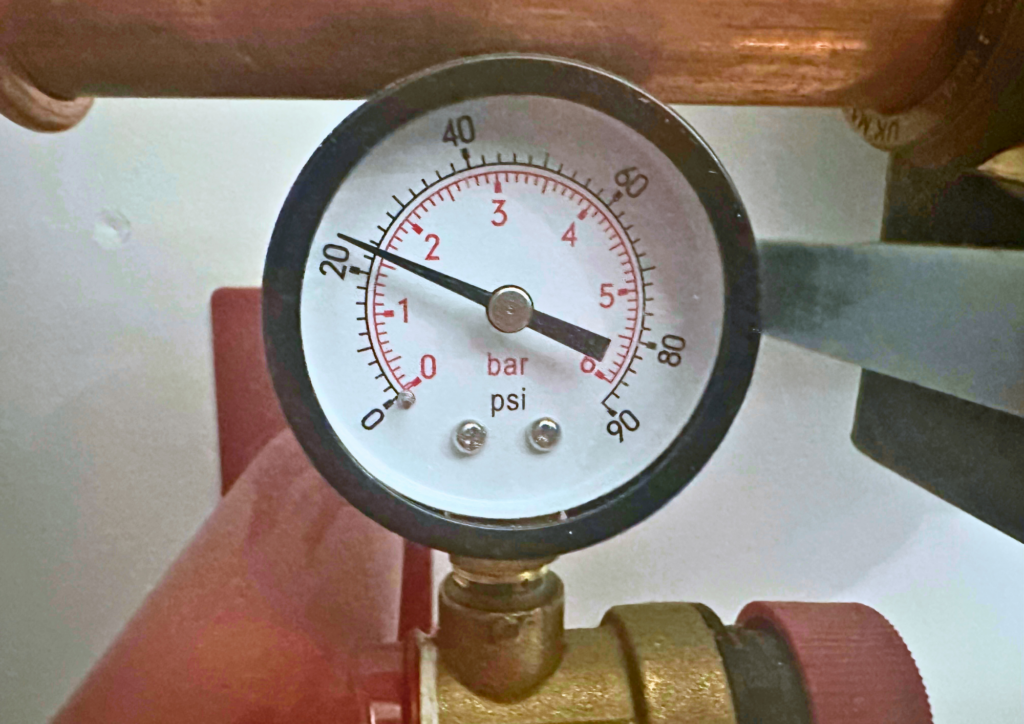
Another common cause that could be affecting your unit is low pressure in the system – take a look at your heat pump controls, if it displays low pressure, usually you can resolve this yourself using the filling loop. You will have been shown how to do this by your installers, or a quick internet search can help too. Ideally, the pressure rating should be around 1.5 bar, so if it is much lower, any issues you experience are likely to be due to a pressure drop. Here you can see what our pressure gauge looks like in the Egensys office and our pressure rating, yours should look similar –
Obstructions
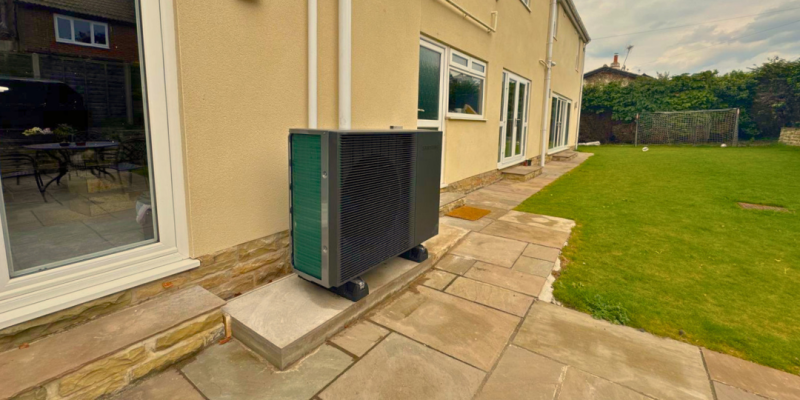
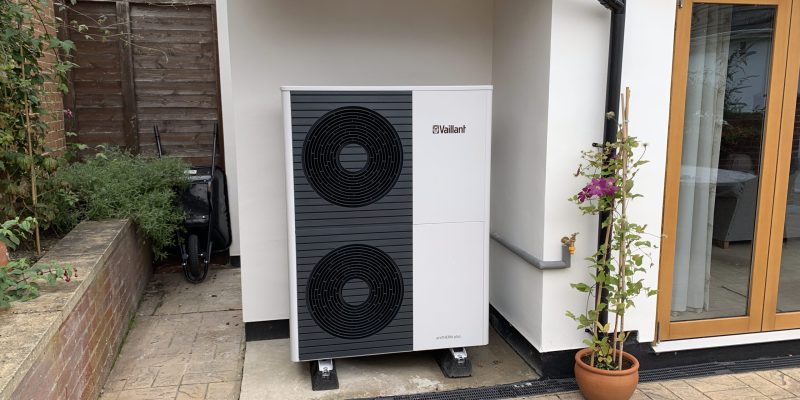
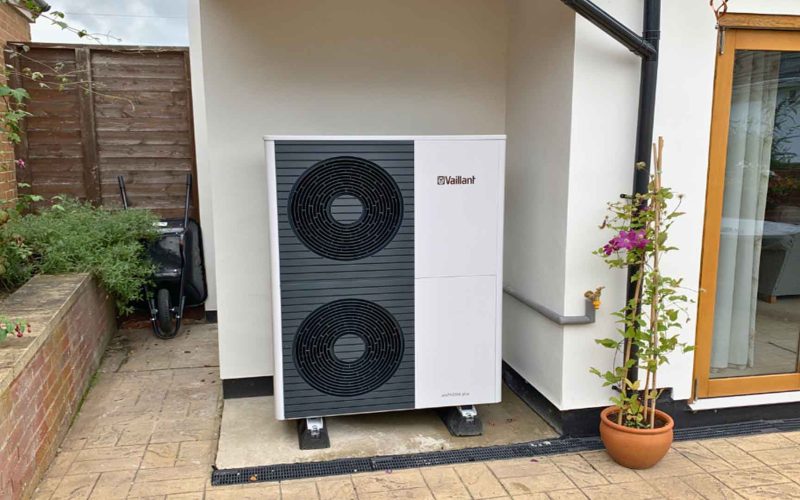
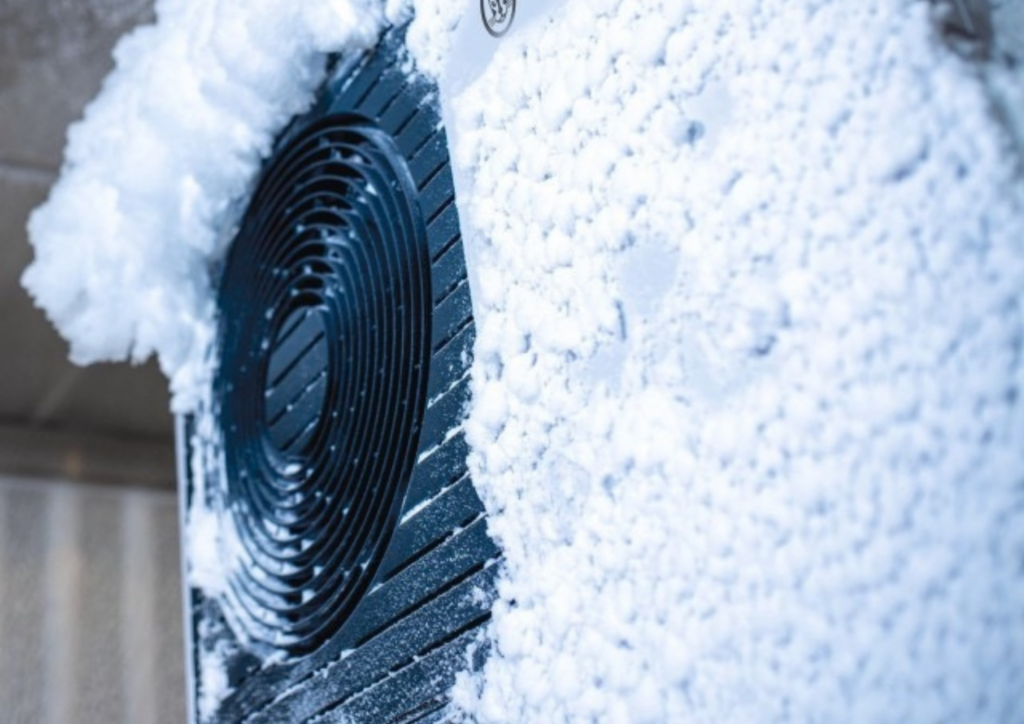
Take a look at your outdoor unit, clear any debris, such as leaves, snow, or ice that might be blocking airflow. Make sure nothing is placed around the unit which could cause an obstruction, too. It’s recommended that you avoid placing anything on top of the unit.Heat pumps are fitted outside, and they need a free supply of air to operate; any restrictions can cause the unit to recycle the cold air it has already produced, which can significantly reduce efficiency and cause the system to malfunction. During colder conditions, the outside unit can sometimes produce mist, fog, or even steam, and condensed water may drip from the bottom. This is normal during defrost cycles, so no need to worry.
User Errors
Simple user errors could also be impacting the performance of your system. A heat pump uses a complex control system designed to maximise efficiency in your home. There are lots of settings which can be altered, which would adversely affect your heating and hot water. If you have changed the settings yourself, try changing them back to what your installer recommended instead.
Thermostats
Consider that your thermostat could be at fault. You should ensure that the thermostat is placed in an area of the house that is an accurate representation of your home’s heat on average, maybe even place it in the coldest room in the house, if you’d like it toasty. If the display is blank, replace the batteries or restart the thermostat.
Heat Pump Not Working? When Should You Call an Engineer?
- Ice Encasement – While light frost is normal, a unit completely encased in ice that won’t thaw usually means a failed defrost cycle or low refrigerant.
- Strange Noises – Heat pumps produce a gentle hum, similar to a fan. If your heat pump is louder than normal, and you have checked that there are no obstructions in the unit, it might be time to call an engineer and have a check-up.
- A Leak – If there is a clear indication of a leak, you should call up an engineer, unless the leak is underneath the outdoor unit, as part of the defrost cycle.
- Error messages – if your system displays error messages within the controls, give us a ring, and we can come service your pump or simply talk you through how to solve the issue, depending on what it is.
- Repeated Tripped Breakers – If your heat pump trips your circuit breaker repeatedly, this can indicate a serious electrical fault.
- No Heating or Hot Water – If the system is totally unresponsive to a restart or reset, and you are left without heating at all.
- Annual Servicing – Regular servicing and maintenance ensure your systems run efficiently, reduce running costs and extend their lifespan. If you are due for an annual service, call an engineer.
By following these steps, you can troubleshoot common heat pump problems and potentially avoid the cost of a service call. But, if you do need to get your system serviced or repaired, our engineers at Egensys are highly skilled and experienced across a wide range of heat pump models and manufacturers, so we can service or repair your system even if we didn’t install it.
Heat Pump Not Working? If you have tried all of the tips above maybe its time to get in touch with Egensys? You can contact us here or learn more about our service options here