Heat Pump Noise Problems: When You Should Be Concerned
As we already know, an air source heat pump is one of the most efficient and sustainable ways to heat your home. By extracting energy from the air, even in cold conditions, they deliver reliable heating and hot water with a fraction of the carbon emissions of traditional systems.
But, like any complex mechanical system, you may expect to hear low-volume sounds or distinct noises during its normal operation. If your heat pump is making any unfamiliar sounds or you feel like it’s louder than it should be, you may be wondering what’s normal and what’s not. Let’s delve into why your heat pump is making a loud noise and how to get your system back to running quietly and efficiently.
Why Is Your Heat Pump Making Noise?
There are several possible causes for a noisy heat pump, some of which are easy to fix, while others may require professional service. Let’s take a look at the common causes, followed by what you should do, found later in this guide –
Debris Buildup – Leaves, twigs, or even dirt can accumulate in the outdoor unit over time, blocking airflow and making noise when the fan spins.
Improper Installation – A heat pump that hasn’t been properly secured or levelled can produce noise due to vibrations.
Worn Mechanical Parts – Over time, components like fan motors, compressors, bearings, etc, can wear down and cause noise issues that require an engineer to fix.
Lack of Maintenance – Without regular cleaning and inspection from an engineer, filters can clog, lubrication may be insufficient, and fans may go out of balance – all contributing to unwanted noise.
Heat Pump Making Noise? What’s Normal
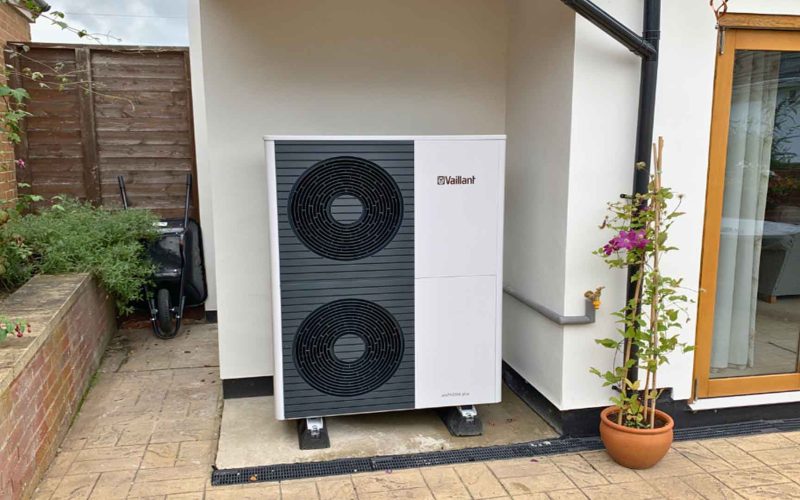
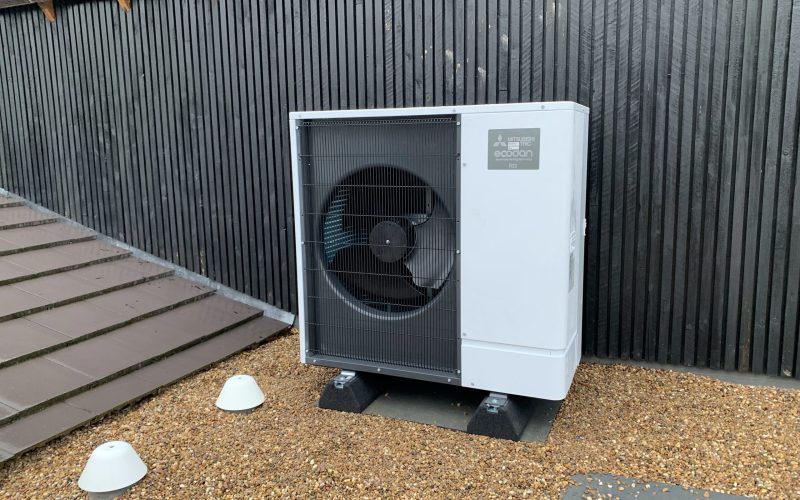
Modern heat pumps are designed to run quietly. They produce a gentle fan hum sound, similar to a fridge running, and, if installed correctly, they’re quiet enough not to disturb you or your neighbours. Here are some noises you can expect to hear throughout its normal operation –
Steady Humming/Vibration – A low-level humming is a part of a normal heat pump operation. The compressor and fan run at a consistent pace, which creates a low, even tone. Most systems make this sound as they maintain indoor temperatures. A soft hum that doesn’t change much is normally not a concern.
Whooshing/Hissing During Defrost – During the colder months, your heat pump will need to work harder to get up to the desired temperature, so you can experience more noise during winter. Frost may build up on the unit too, so the pump will reverse its cycle to melt the ice, the fan shuts off, and the system may hiss or even emit steam. Airflow during this cycle creates a gentle whooshing sound as the system circulates the warmer air.
Clicking/Shifting – When your heat pump starts up or shuts down, you’ll often hear a distinct click. This is the sound of the contactor (a high-voltage electrical relay), or the internal valves engaging or disengaging. Don’t worry, it’s a perfectly normal part of the cycle.
Heat pump noise can be confusing to some, but it’s most important to remember that most units, if operating normally, will only produce low-level noise like steady humming, gentle whooshing during airflow changes, and a slightly louder shift when entering and exiting defrost mode. If your ASHP is emitting any other kinds of noise, it may be best to get in touch with a professional.
Heat Pump Making Noise? When To Be Concerned
Healthy heat pump systems should operate quietly, but if noise levels rise considerably, it could signal that something is wrong, and you need to call in your heat pump installer or a qualified engineer to take a look. Not all noises may be serious issues, but some should definitely be looked into. Here are some noises that should raise a red flag –
Metal-on-Metal Banging/Clanking – Indicates that there is a severely loose or broken component inside the unit, such as a loose fan blade hitting the protective cage, or a part that’s hitting something it shouldn’t. This is a serious red flag. Turn the system off immediately at the circuit breaker to prevent further damage and call a qualified technician for emergency service.
Loud Grinding – Usually, this is a direct sign of a severe mechanical malfunction. It most commonly points to failing motor bearings or failing parts inside the compressor that require immediate replacement. Turn the system off immediately at the circuit breaker to prevent expensive motor burnout or compressor damage, and call an engineer.
High-Pitched Squealing/Screeching – This is a sign of a component that’s under severe stress. There could be a couple of reasons why, either from worn-out belts or motor bearings (especially if the system hasn’t been serviced in a while), an over-pressurised compressor or a failing fan motor. This is another critical issue, and you should shut down the system completely and call an expert for professional service.
Loud/Aggressive Buzzing – While a low hum is usual, a loud or aggressive buzz is not. If your unit emits a loud, hard buzzing sound, it could mean a failing capacitor, a malfunctioning contactor, or a serious electrical fault. This is a serious issue and a potential fire hazard. Turn the system off at the circuit breaker and call a technician right away.
Hissing/Gurgling – A continuous loud hiss or constant bubbling noise usually indicates a refrigerant leak within the system. This reduces system efficiency, as well as being an environmental hazard. Do not attempt to investigate this noise any further; this issue requires a professional diagnosis. You should turn off your heat pump immediately to prevent any damage to the unit.
Rattling/Excessive Vibration – This noise can be caused by something simple, like loose panel screws, or could signal something more serious, like a failing motor. A unit that’s not level or securely installed may vibrate excessively or become noisy. First, you can perform a quick visual inspection, and if you notice any loose screws, then you can tighten them. If the vibration persists, a professional is likely required to assess the installation quality or any other possible causes.
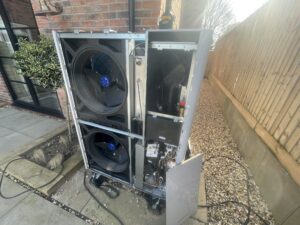
Troubleshooting Heat Pump Noise Problems
A noisy heat pump isn’t only an annoyance; it can indicate an underlying issue that needs attention. If you hear unusual noises coming from your system, it’s important to act sooner rather than later and address any potential serious issues. Here are a few simple steps you can take before calling for an engineer –
- Always turn off the power at the circuit breaker before inspecting the unit.
- Inspect the outdoor unit for any visible debris or damage. Things like leaves, twigs or dirt can accumulate in the outdoor unit, blocking airflow and thus creating noise.
- Take note of the type of sound the unit is producing; this will be helpful for the engineer later.
- Keep track of when the noise started and how often it occurs
- Providing these details to a qualified engineer will help them to diagnose the issue and fix your noisy heat pump.
The Importance of Regular Heat Pump Maintenance
Keeping your heat pump serviced is one of the easiest ways to protect your investment. A quick annual check keeps everything running well, stops small problems from turning into bigger ones and helps you get the most out of your energy setup.
If your heat pump sounds louder than normal, feels weaker, or your bills have crept up, it’s usually a sign it needs a check. It doesn’t just keep your system running quietly and efficiently, but also ensures –
Fewer Breakdowns – Routine maintenance reduces the chance of sudden faults that lead to costly repairs.
Better Performance – Regular checks keep your system running at the level it should, without drops in output.
Lower Running Costs – Servicing helps stop the system from working harder than needed, which keeps your bills steady.
Longer Lifespan – Small issues get found early, so your heat pump lasts longer.
Conclusion
Remember, not all sounds from your heat pump signify disaster; it’s not unusual to hear gentle humming as it operates or a whooshing noise when in defrost noise. But if you feel your system doesn’t sound the way it should, or you are concerned about it, it’s best to call a professional and get their expertise. A repair or a simple service may be required. Or, if you were thinking about making the switch and installing one in your home, it’s important to choose the right renewables expert to prevent any possible noise issues in the future from a badly installed system.
At Egensys, we deliver renewable energy systems built to last. We carefully select and install heat pump systems from manufacturers we trust, choosing each system based on quality, performance, and what best suits your property. We also offer tailored servicing and maintenance packages that are carried out by our highly skilled engineers.