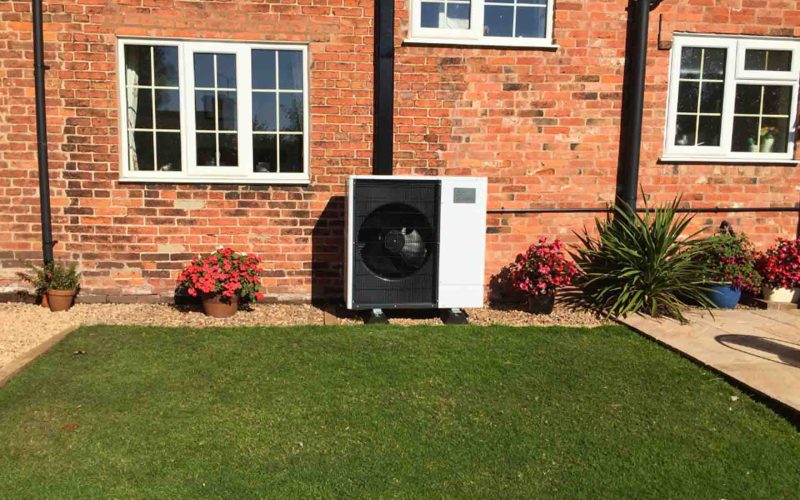
Air Source Heat Pump Running Costs UK vs Gas
Are you considering making the switch to a more sustainable heating solution? Air Source Heat Pumps (ASHPs) are increasingly popular in the UK as an efficient and eco-friendly alternative to traditional gas boilers, but how do the running costs compare between the two?
While it is widely acknowledged that this renewable technology is greener for the planet, critics often question whether heat pumps are actually cheaper to run than gas boilers. Let’s dive into the details of how they are cheaper to run, what influences running costs and some tips to maximise these savings for ASHPs.
What is an Air Source Heat Pump?
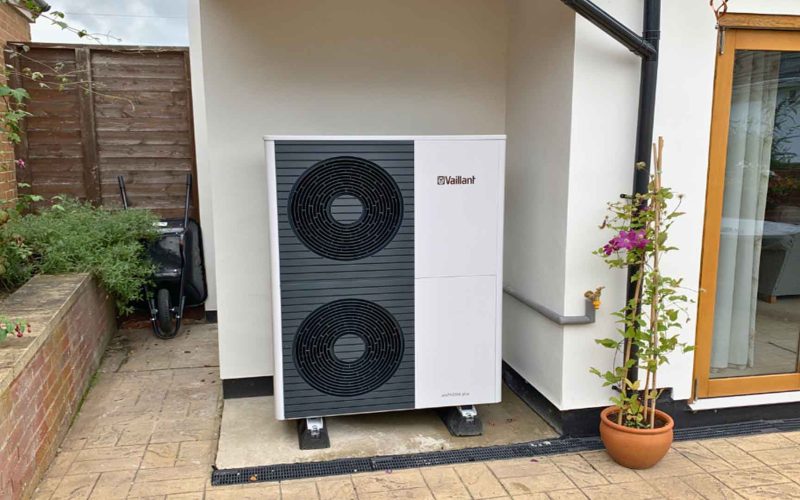
Air source heat pumps are one of the most efficient and sustainable ways to heat your home. By extracting energy from the air, even in cold conditions, they provide reliable heating and hot water with a fraction of the carbon emissions of traditional systems.
Modern ASHPs are cleaner and more energy-efficient than traditional boilers. They eliminate the need to burn fossil fuels, reduce your carbon footprint, and, if well designed, substantially lower your annual heating costs.
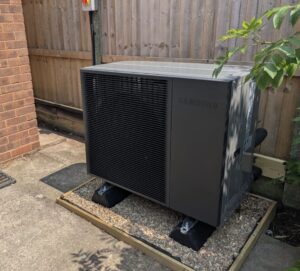
Annual Running Costs ASHP vs Gas
The idea that heat pumps are expensive to run is a common misconception we often hear. Most people compare electricity and gas prices and assume that a heat pump is going to break the bank. Yes, it’s true that gas is currently cheaper per unit than electricity, but a heat pump can actually lower your energy bills. How, might you ask?
The running costs of an air source heat pump are mostly driven by how efficiently the system produces heat relative to the electricity that it consumes. Heat pumps use energy much more efficiently than traditional boilers, meaning the running costs are lower.
Why?
Unlike many boilers, heat pumps don’t create heat; they move it from the outside air straight into your home. For every 1kWh of electricity, a heat pump can deliver 3-4kWh of heat. Gas boilers, in comparison, are only around 85% efficient, producing less than 1kWh of heat per 1kWh of gas.
Operating at almost 4 times more efficiently than a gas boiler, a heat pump usually costs less to run than gas systems. Over time, homeowners can generate some serious savings, particularly if they maximise their system’s efficiency and take advantage of off-peak electricity rates.
Running Costs on Colder Days
There will be some days when the running costs for a heat pump are higher than a boiler, on a particularly cold day, for example, but those are offset by the days it costs a lot less to run; overall, it’ll be cheaper. Unfortunately, most people do not know how much gas and oil they use each day, and the energy companies spread usage out over the year, which gives a false impression of actual winter heating consumption.
Being electric, and the fact that most people have smart meters, you can see exactly how much the system has used every day instantly. What often happens is people will see a reading from a particularly cold day, let’s say £15 in electric and immediately work out that it will cost thousands of pounds a year to run at that cost per day. It’s important to consider the summer months, when it’s super cheap to run, to properly determine the actual annual running costs.
Key Factors Influencing ASHP Running Costs UK
System Efficiency (SCOP) – The Seasonal Coefficient of Performance (SCOP) represents the level of efficiency that your system is running at. A higher SCOP means that your system is performing well and keeps costs lower. A SCOP rating of 3 is generally when systems become cheaper to run than gas boilers. Usually, with ASHPs, we can expect a SCOP rating of around 3-3.5.
Property Insulation & Heat Loss – Well-insulated homes require less energy, making heat pumps more cost-effective. However, they can still function effectively in homes with varying levels of insulation. Research shows that extensive renovations are not necessary to install a heat pump. We’ll go into more detail about this below.
Electricity Prices – Since ASHPs are powered by electricity, unit rates and standing charges can dictate the running costs of the pump. Taking advantage of smart tariffs and utilising heat-pump specific tariffs will maximise your savings. Read below for some tips about this!
Tips for Reducing ASHP Running Costs UK
Heat pumps can be an efficient and cost-effective way to heat your property. Here are some tips and tricks to maximise the performance of your heating system, keeping running costs low.
Heat Pumps are not Gas/Oil Boilers – We set them up to heat properties differently, high and low temps rather than off and on, feeding the heat in little and often rather than a massive dump of heat twice a day. If the normal set temp is 21 °C, we’d suggest dropping it by 3-4 degrees in the off period. The result is more consistent air temperatures throughout the property, fewer cold spots and ultimately overall running costs of an average 10-15% less than a gas boiler.
Specialised Tariffs – Many suppliers offer overnight or special rates for heat pump users. Using specialised, low-rate tariffs can drop annual costs significantly. Often, people who have gas heating systems previously focused on getting the best rates on gas, because that’s where most of their energy bill was allocated. The focus should be on getting the best rates on electricity.
Avoid Constant Cycling – Running at lower temperatures for longer is more efficient. The lower the flow temperature of the water going round the radiators, the cheaper a heat pump will be to run. Often, people get obsessed with radiators being hot, when the most important factor is room temperature. If the room’s warm enough, it’s irrelevant whether the radiators are hot.
So, it could be possible to turn down the flow temperature by 2-5 degrees and still maintain room temperature. This will often mean that the outside unit has to run for longer to maintain the temperature. It’s better to have it running low and slow, rather than fast and hot.
Maximise the Performance – A heat pump uses a complex control system designed to maximise efficiency and offer versatility; there are lots of parameters which can be altered; if not done correctly, it will adversely affect performance. Weather compensation, heat curves, legionella cycles, and pump speeds … all have to be programmed to suit the heating and hot water systems specific to that property.
Upgrading Home Efficiency – Your system will be designed based on your heating needs and property type. So with the right system that has been designed well, improved insulation isn’t essential, but it will, of course, help. Prioritising good fabric efficiency, upgrading insulation, and maximising radiator size will ensure running costs are kept low, but the same is true for homes heated by gas and oil boilers, too.
Maintenance & Servicing – Regular, annual maintenance checks by engineers ensure the system continues to run at peak performance and can prevent a 25% increase in bills from an inefficient system.
ASHP Installation Costs
In the UK, a typical ASHP installation costs between £9,000 and £13,000 for homeowners. While this upfront installation cost can be higher than traditional systems, over time, they pay for themselves through their lower running costs and can offer lifetime cost savings over fossil fuel systems.
But, with current government grants and funding schemes (like the Boiler Upgrade Scheme), most homeowners actually pay around £2,000 to £5,000 for an installation.
Funding schemes may not impact the running costs of a heat pump, but they can reduce upfront costs and speed up homeowners’ return on investment, making them an even more financially smart decision for homeowners. Our team at Egensys can help guide you through available funding schemes and tax incentives to help make your investment cost-effective.
Air Source Heat Pump Running Costs UK vs Gas – The Verdict
Investing in an Air Source Heat Pump might seem like a big step, but the lasting advantages, like lower running costs and a smaller environmental footprint, make it a financially smart choice for homeowners in the UK.
Whilst heat pump running costs depend on factors like electricity prices, heat pump efficiency, and home insulation, research and data show that homes can save over £200 annually compared to gas boilers.
Understanding the factors influencing heat pump efficiency and utilising resources like specialised tariffs are crucial for making informed decisions about sustainable and cost-effective home heating. Maximising system efficiency and using lower-cost electricity, along with choosing the right installer, ensures optimal performance and savings.
With Egensys, you can integrate an ASHP system seamlessly into your home, reducing bills while maintaining comfort throughout the year.