Solar Battery Storage Costs UK in 2026: Real Numbers
The buzz around home battery storage in the UK has truly taken off recently. With increasing energy prices and more and more people making the switch to solar, homeowners are exploring battery storage as a way to cut their bills even further. But the question many homeowners are asking is: ‘What are the real costs of solar battery storage?’
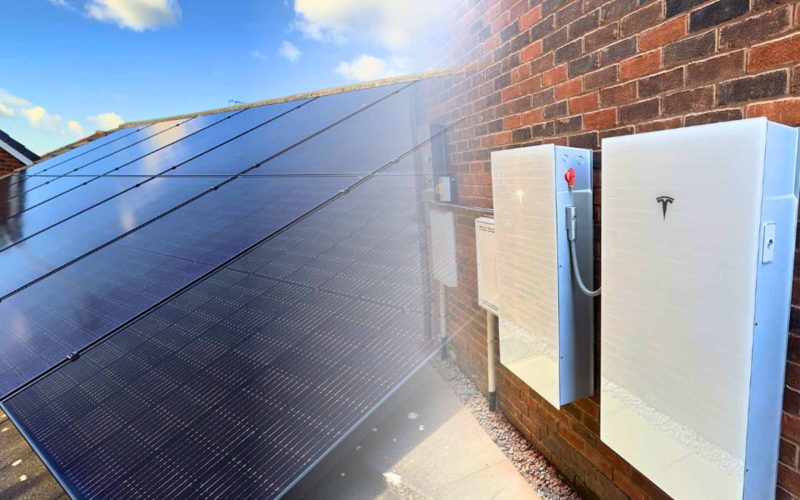
Battery storage systems work to capture and store excess power that solar panels generate and reduce energy bills massively by allowing homeowners to use their self-generated clean energy even after the sun goes down, or when there’s a grid outage.
Or they even work without solar as well. A battery can still store cheaper, off-peak electricity from the grid for later use, though savings are most substantial when paired with solar PV.
Understanding the full costs involved and potential ongoing savings is essential if you’re considering making the switch. Whether you’re looking for more control over your bills, trying to make the most out of your solar PV, or preparing for grid outages, battery storage could be the solution for you; let’s get into what you’ll actually pay.
Typical Solar Battery Storage Costs UK
In the UK, solar battery storage costs typically range from around £3,000 to £10,000 fully supplied and installed, depending on factors like capacity size, model, and installation complexity. For a standard 5kWh battery, expect to pay around £4,000, but if you want more storage or a premium setup, it’ll be more. Thanks to UK tax policy, all domestic solar battery installations currently benefit from 0% VAT.
When comparing prices, it’s important to look beyond the upfront costs and consider what benefits you may be getting. Premium systems may cost more upfront but often deliver better long-term value. For instance, a 13.5kWh system may appear more costly initially, but the cost per kWh of usable energy works out more economical than smaller systems, and the smart features may increase your future savings as well.
Despite whatever upfront costs you may be paying, most UK homeowners find the investment in solar battery storage worthwhile. We’ll delve into the benefits of battery storage further down this blog.
Key Factors Influencing Solar Battery Storage Costs
Several factors influence the cost of installing a battery storage system; let’s get into what may impact the final costs for homeowners.
Key Cost Drivers Include
Capacity – This is the primary cost driver. A larger capacity allows more energy to be stored but increases the cost.
Brand & Technology – The price and performance of battery systems vary depending on the brand. Premium batteries cost more due to better technology, efficiency, and warranties. For more budget-friendly options, expect shorter lifespans and lower efficiency.
Installation Type – Installing a battery alongside new solar PV offers the best value for money, due to shared labour and the fact that most installers offer special lower pricing for solar and battery packages. Retrofitting a battery to an existing setup later is costlier.
Installation Complexity – Installation complexity will influence the overall cost. Simple installations, where solar panels and wiring are already in place, tend to cost less. If additional equipment is also being installed, like hybrid inverters or control systems, or if any electrical upgrades are required, then this could hike up the total price too.
Labour Costs – Of course, like any home improvement jobs, labour costs for installing solar battery storage systems influence the price.
UK Solar Battery Storage Costs by Capacity
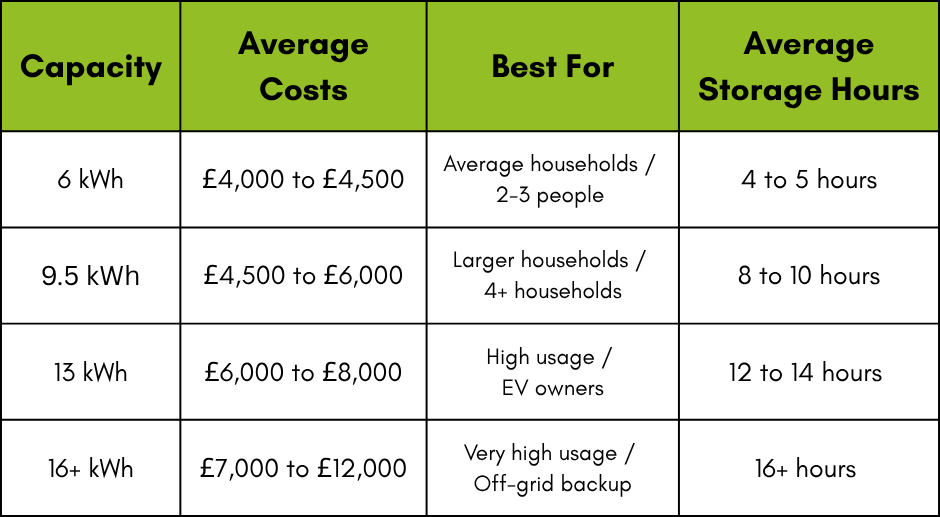
Like we mentioned above, as the capacity of the battery model increases, so will the price. Here are some average costs that you can expect to pay by capacity.
Solar Battery Storage Costs by Capacity
Battery Storage Costs UK: With vs Without Solar
A battery storage system can operate without solar panels, charging from cheaper overnight grid electricity. But the cost-effectiveness and overall value of these systems can look pretty different depending on whether you’re pairing them with solar or using them as a standalone setup.
Installing battery storage without solar panels can offer some great benefits. You can take advantage of cheaper electricity with ‘time-of-use’ tariffs, where electricity prices vary throughout the day. You can program your battery to charge during off-peak hours, when electricity is cheaper, and discharge that stored energy during expensive peak hours, saving you money.
But when you combine battery storage with solar panels, the financial benefits really start to shine. Your solar panels generate electricity during the day, and any excess power that isn’t immediately used can be stored in your battery instead of being sent back to the grid. This means that you can power your home with your own self-generated surplus energy even after the sun goes down. Any excess energy that your battery cannot hold can be sold back into the grid, making you some profit.
Or, for another example, if you’re not at home during the day to use the energy your panels are generating, having a battery will enable you to store that for evening and night-time use. This means you’ll dramatically reduce how much electricity you’ll need to purchase from the grid, and over time, this will lead to substantial savings and a quicker return on investment, making you much more self-sufficient.
Reducing Solar Battery Storage Costs
We know that despite the long-term savings, the upfront costs can seem a bit daunting for some UK homeowners. However, there are ways to reduce those costs and make installing battery storage systems a more financially viable option. Here are a few –
Install with Solar – Adding a battery to a new solar installation can potentially save you thousands compared to retrofitting a battery to solar later on. If you’re considering solar, include battery storage from the start.
Right-size your battery – Oversized batteries waste money. A 5-10 kWh battery suits most households with 10-panel solar systems. Only go larger if you have high evening usage or plan to add an EV.
Green Mortgages – Some banks or mortgage providers offer grants or zero-interest loans for renewable energy upgrades, including battery storage.
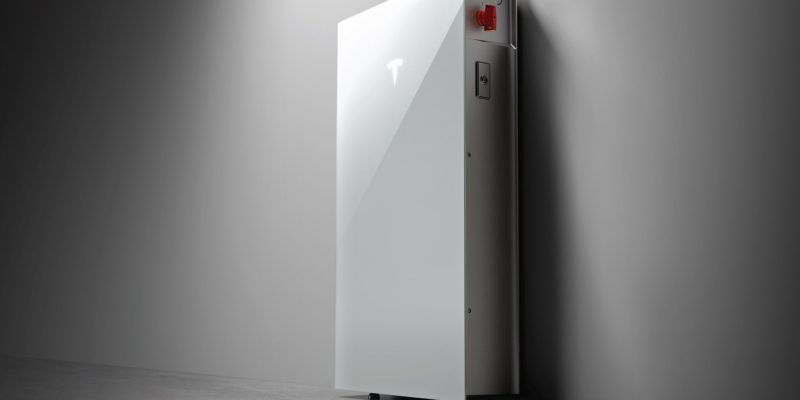
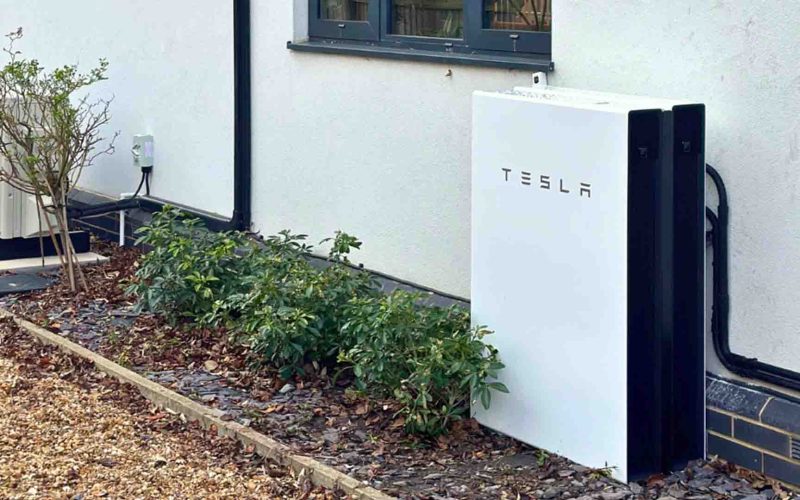
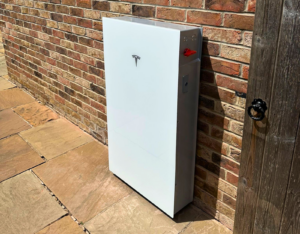
Cashback Incentives – An example of an ongoing incentive is the Tesla rebate scheme. This initiative offers £375 per Powerwall 3 or Expansion Pack, up to £750 in total per household. This scheme is great for homeowners looking to boost their energy independence and save money on the upfront battery storage costs.
At Egensys, we can guide you through all available funding schemes and tax incentives to help make your investment more cost-effective.
The Payback Period for Solar Battery Storage UK
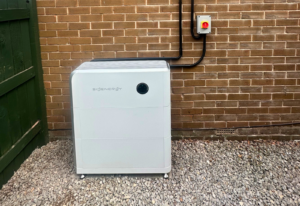
The solar battery ROI is determined by comparing the savings you make on your energy bill each year to the total cost of the battery system and installation. Getting the best returns depends on how you use it, taking into consideration things like energy usage, tariff type, SEG payments, and combining battery with solar.
If your annual bill savings can reach £500 to £1,000, you could actually recoup the cost of an average battery system within 7 to 10 years – well within the typical 10-year warranty period. While this return on investment isn’t instant, the long-term savings add up, particularly in homes that know how to use their storage systems effectively.
How to Reduce Your Payback Period
Solar battery savings aren’t just about storing energy: they’re about using it smarter. Here are some ways to cut down the payback period and get the most out of your system –
Use Specific Tariffs – By switching to smart tariffs which are designed for solar and battery users, you can take advantage of cheap electricity. You can charge your battery during off-peak rates overnight, then use that energy during expensive peak hours, or even avoid grid use entirely during the day. This tactic means your battery doesn’t just store solar; it saves money daily, even in the winter when solar generation is lower.
Increase Self-consumption – The more self-generated energy you use directly, the greater your savings. Although the Smart Export Guarantee allows you to sell surplus energy back to the grid, export rates are far lower than the cost of buying grid power. Stored solar energy is 5 to 7 times more valuable when used in your own home than when exported, so prioritising self-consumption is key to maximising savings.
Shift Energy Usage to Battery-powered Times – Running dishwashers, washing machines, and other large appliances during battery-operated periods boosts your self-consumption, meaning more of your energy bill is being offset by low-cost or free energy.
Optimise With Smart Home Energy Management – Some battery systems with smart controls can automatically decide the best time to charge, discharge, or export based on live tariff data, weather forecasts, and household consumption patterns.
Solar Battery Storage Considerations
When investing in a renewable energy system like battery storage, there are key elements that need crucial thought if you want a system that you can rely on long-term and meet your energy goals –
Choose the Right Installer – Look for licensed, certified, and well-reviewed installers. Ask about warranties, system monitoring and after-sales support.
Future Energy Needs – Planning to buy an electric car or add more appliances? Think about your potential future energy needs and consider upsizing your system slightly to avoid expansion costs later.
Battery Size – Battery size depends on how much electricity you use and how much solar you generate. Some people want to cover evening use; others want backup power too. The system is sized around how you actually live and work.
Manufacturers – Choosing a manufacturer that is gonna stick around is crucial. Battery systems are controlled through online portals or apps; if your system manufacturer goes out of business, it’s likely that you wont hold access to the same features and access you once had. Energy storage is an investment; longevity of the system also relies on longevity of the manufacturers.
The Verdict: Is Solar Battery Storage Worth the Cost?
If we take a look at all the benefits and potential savings that adding battery storage to your home brings, the investment definitely seems worth the initial upfront costs for the installation. Yes, it’s true that not every UK home necessarily needs battery storage; many homeowners value the peace of mind and futureproofing that this renewable technology brings.
Benefits of Battery Storage Systems
Maximises Solar Self-sufficiency – An appropriately sized system will increase the amount of solar electricity used in your home from around 35% to 75%.
Increased Savings – Installing a battery will save you money. Ultimately, you’ll draw less electricity from the grid, lowering your energy bills. These savings can even be increased further by using your system effectively.
Energy Independence – Batteries bring reduced grid reliance and increased self-consumption. You’ll gain more control over your energy usage and your energy bills.
Backup Operation – Many battery storage systems integrate backup operation into their models, so you’ll have power even during grid outages.
Smart Operation Functions – Many energy storage systems allow you to keep track of your energy usage online and decide when to charge your system or when to draw energy from it. Or, some units even do this for you, meaning you’ll always get the best-cost electricity possible.
Long Lifespans – Most batteries are designed for daily use over many years. Warranties often cover 10 years, or a set number of charge cycles. Performance does reduce slowly over time, but this is expected and planned for.
Reduced Carbon Footprint – Batteries improve your self-consumption when combined with solar, so you’ll rely on your own cleaner renewable energy rather than fossil fuels.
Solar Battery Storage Costs UK with Egensys
Hopefully, our run-down of all the included costs and potential savings involved with adding solar battery storage to your home is beneficial to you as a homeowner who may be considering making the switch. Whether you’re looking for more control over your bills, trying to make the most out of your solar PV, or preparing for grid outages, battery storage could be the solution for you.
At Egensys, we aren’t tied to one brand. But we work with battery manufacturers we trust, choosing each system for its build quality, performance and how well it suits your setup. You get storage that fits your site, holds its charge and supports solar the right way.
Installer-led and built on trust, we bring solid technical expertise, careful design, and reliable systems that last. We focus on what fits your home, not brand-hype or big claims. You’ll get straight answers, sensible options, and a system you can rely on long-term.
To get a clear idea of what to expect, scroll through our typical installation costs and packages on our website to see which setup fits your home best. Or, to see exactly how much a solar battery storage system will cost for your UK home, get a free no-obligation quote from our team.